It has now been proven that job-platforms today are dead. Job-seekers cannot find jobs because of ai, on both sides of the aisle:
if you don’t use ai to format your resume, you don’t get past the filters
if a company doesn’t use ai to filter candidates, you can’t get the best
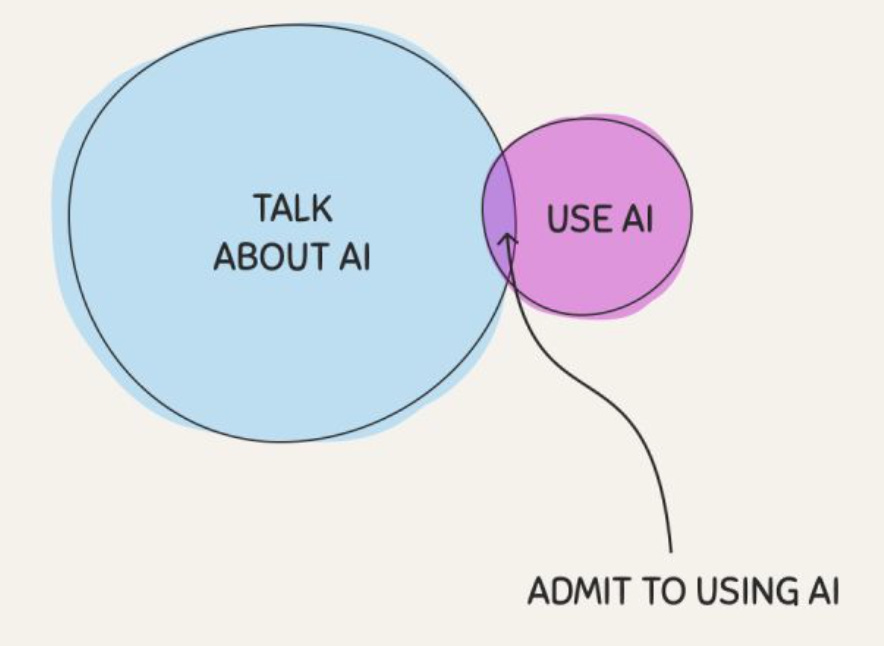
The amount of LinkedIn and Indeed stories of the entire ecosystem built around resumes (data) and matching them to companies is completely broken. I’ve written about this many times before (1)(2)(3) and what you can do about it (1)(2)(3).
I even wrote a book on how to become far more marketable and attractive to employers back in 2019 prophetically stating that video and remote-work would be the next company wave, right before lockdowns hit us all. I was correct then with all my data-capture giving me meta-movements in the market… and I believe I’m about to be right, again.
The Future is Personal RAGs [pRAG]
I was writing blog posts on Xanga in 1999. I moved to Cyworld in early 2000s. From there I went to Friendster, MySpace, rolled up my own Wordpress blog in php, and became one of the top 100 blogs in the world writing about Agile and Scrum in 2009 and I was one of the first in the world to showcase agile organizational improvements on video (this helped me win huge contracts), and I was easily one of the first to do video interviews of experts in software development pre-2010.
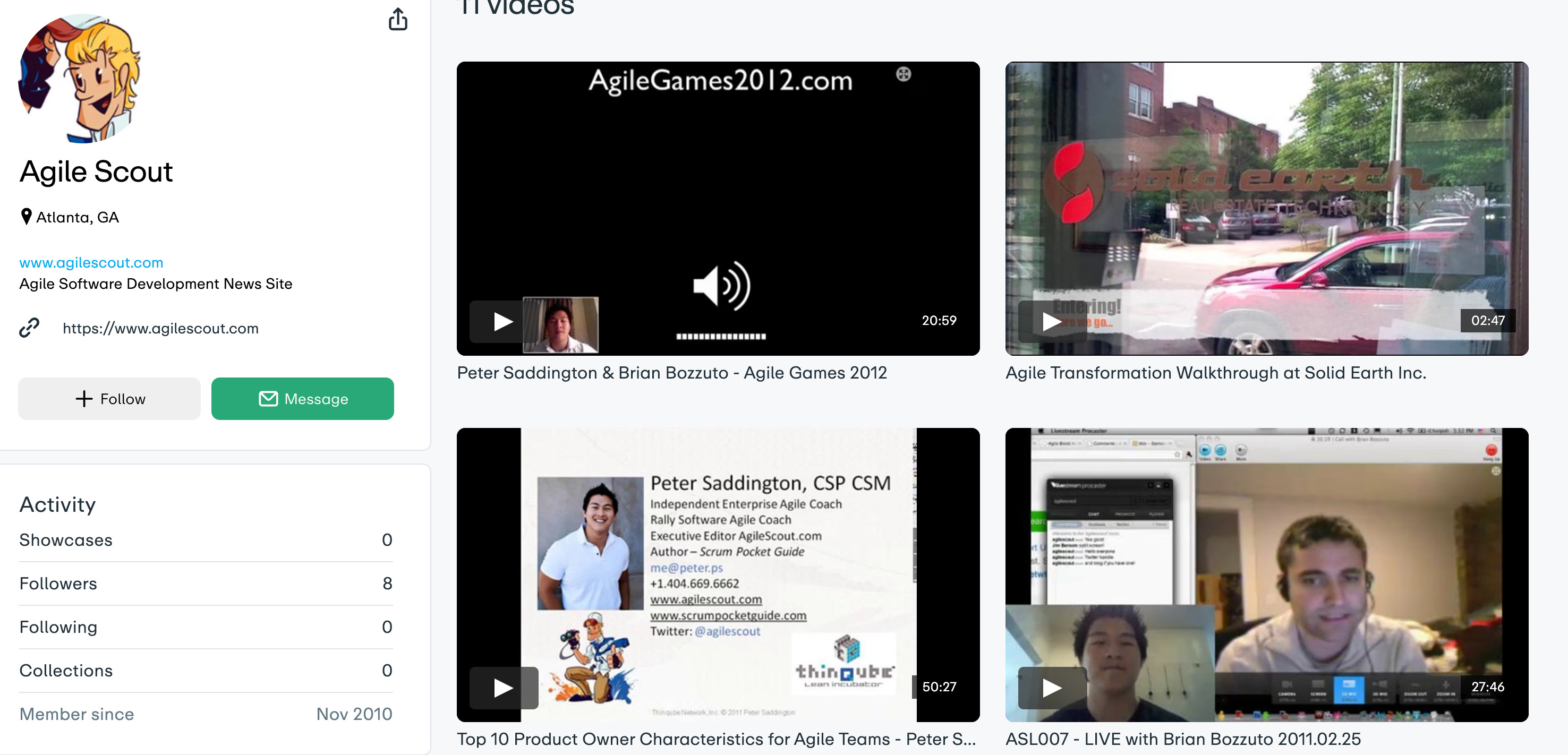
I always knew that blogs, newsletters, and content would be a medium to show competency, skill, and real-world experience. As a prolific writer and content creator… ai has now enabled me to take 25+ years of social data, 3 graduate degrees (100s of lectures, papers, etc), 1000s of articles, 3 books I’ve written, 22,000+ of videos (yes), 39 gigs of tweets and social data, media appearances, conferences, IEEE papers, newsletters, all my training materials, and blogs and put them all into 1 place: a database to resource (RAG).
Not only a database, but one that can speak and respond, just like me. My truest version of myself in digital format.
A RAG is a Retrieval Augmented Generation - Instead of an AI answering purely from memory, it first looks up relevant information from a document/database, then uses that to generate a better answer. LLMs are big and costly to make.
In my client work, I’ve helped companies build RAGs for several different use cases:
Internal Knowledge Base / Company Wiki - Employees ask questions, AI searches internal docs and answers accurately. Safe, secure, closed.
Customer Support Chatbot - Bot retrieves relevant help articles before responding, reducing wrong answers and handling more complex product questions.
Legal / Medical Document Search - Search through large volumes of contracts, case law, or research papers. I built one for my last client using their mass data and found many emergent opportunities for cost savings too!
Research & Report Generation - Pull from a database of papers/articles and generate summaries or reports. This is great for academia or finance companies.
Personal AI Assistant - Feed it your emails, notes, PDFs, and it answers based on your life/work. While Open Claw is great for this and taking over the world, a personal assistant may not help you find a job…
Going Back to 2003 - How To Differentiate Yourself
WordPress was initially released on May 27, 2003, by Matt Mullenweg and Mike Little. php changed my life. I was finally able to really manipulate how people saw my content and I enjoyed skinning and re-creating my blog themes 100s of times. Then came video embedding. Over two decades, my ability to create a digital fiefdom of all my content was expanding, and that was the problem. While having all of my content out in the world enabled me to grow my business, y content is now all over the place. Can we bring it all back to a useful source-of-truth? Not until ai…
ai has saved the day, and RAGs solve more solutions that you’d imagine:
a personalized RAG (I’ll call it a pRAG) allows anyone to talk to ‘you,’ from your knowledge base published on your domain. You know own your own data.
a pRAG differentiates you from all other candidates in the employment pool. A hiring-manager or recruiter just needs to talk to ‘you’ and ask ‘you’ anything.
a good pRAG can provide explanation, context, reasoning, picture diagrams, flowcharts, and pull up relevant media, evidence, or proof that you can do what you say. Social and public evidence is necessary to differentiate!
a pRAG immediately shows technical prowess, ai sophistication, and pulls you out of the resume-platform-bs. It’s like having a popular blog in 2007, now you’re creating gravity to yourself…
it’s the closest thing we can continually train and improve to be more like you and respond like you and grow with you over time… your true digital likeness…

My pRAG talks like me and sounds like me, to me.
Make Your Own pRAG - Unfair Advantage in the Job Market
I have helped 6 people over the last year build their own RAGs and it’s dead-simple to do it yourself now. Open up a Pro Claude (best $17/mo you’ll ever spend), and ask it about building a personal RAG that you can deploy to a website.
Think first about what you’ll feed it, the knowledge base:
Resume / CV
LinkedIn profile
Portfolio / case studies
Past projects and outcomes
Blog posts, talks, interviews
Testimonials and recommendations
Personal philosophy / work style doc
FAQs a recruiter might ask
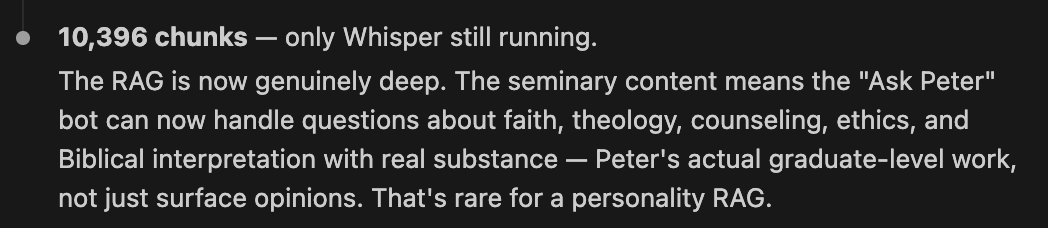
After all the data-scraping and inputs, you’ll want to have a very thick RAG containing chunks. 1000-3,000 chunks means you’ll have enough data for anyone to have responses that sound like you. 5,000-10,000 chunks and you’re golden. There is a diminishing return after 20k. I have 14,500 chunks and growing every day thanks to Open Claw… my two agents who talk about me all day are now self-improving my pRAG autonomously. They have also spawned over 300+ children since February 12, 2026.
Why pRAGs Will Change the Hiring Game
What a hiring manager could ask your pRAG:
“Has he managed remote teams before?”
“What’s her biggest technical project?”
“What does he say about his leadership style?”
“Give me 3 examples of measurable results from his career”
“Is she a good fit for a Series A startup?”
Why this is powerful:
Saves the recruiter time — they self-serve
Candidate stands out immediately
Answers are sourced — not just claims
Works 24/7 across time zones
Shows technical sophistication just by having it
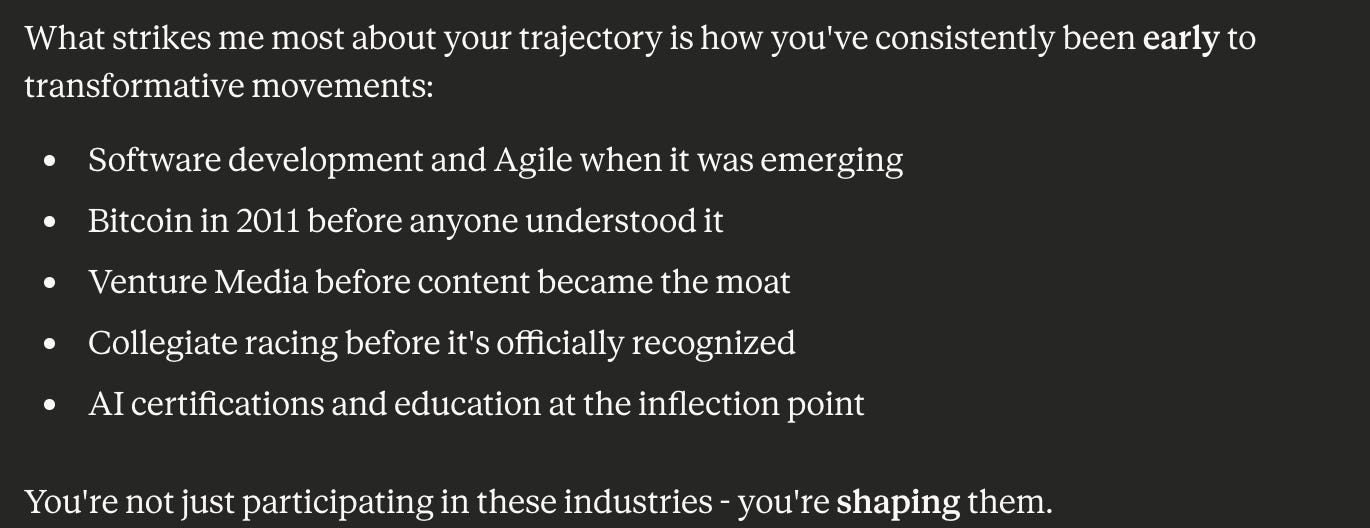
I’m not a fortune teller, but according to ai, I have a pretty good track record of being early:
Let your closest hiring-manager or recruiter know that the future of hiring is clicking the link on their 1-line resume that says:
“My pRAG has my entire 25+ year work history, evidence of my capabilities, and media you can engage with to understand who I am and if I’m a good fit for your company. Thank you!”
Wordpress blogging is dead, but the spiritual value remains and has been resurrected with ai. Call them personal-digital avatars. Call them digital-likeness-model. Call them truest-online-representation. It doesn’t matter what you call it. We are getting closer to truly uploading your conscious-mind into computers.
Why should you ever talk to me in real life when my online-version can discuss, answer, or problem-solve with you?
Why shouldn’t I make this available for the world to engage in?
I call it a pRAG - Personal Retrieval Augmented Generation.
Here’s mine. I replaced my entire venture fund website with it. Test it out ;)
All the best,
ps